Data analysis
Loading the data
						import pandas as pd
						path = "./ "
						train_ori = pd.read_csv(path + "train.csv ")
						test_ori  = pd.read_csv(path + "test.csv ")
						sample = pd.read_csv(path + "sample_submission.csv ")
Loading the data
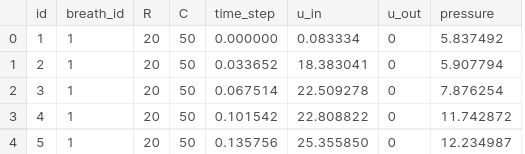
test.head()
EDA
EDA
Feature distribution
Feature distribution
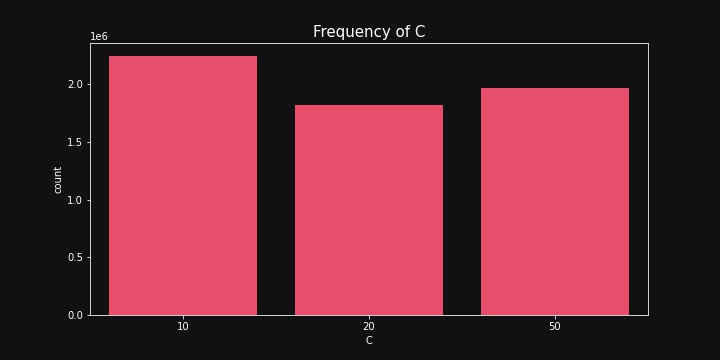
Common features


Feature distribution
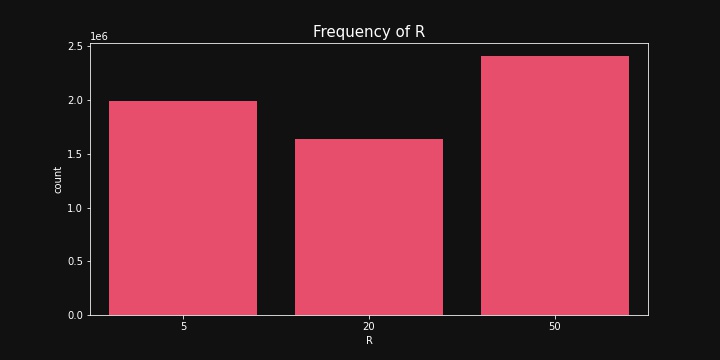
Common features

Feature distribution
Common features

Feature distribution
Numerical features
Feature distribution
Numerical features
Feature distribution
Numerical features
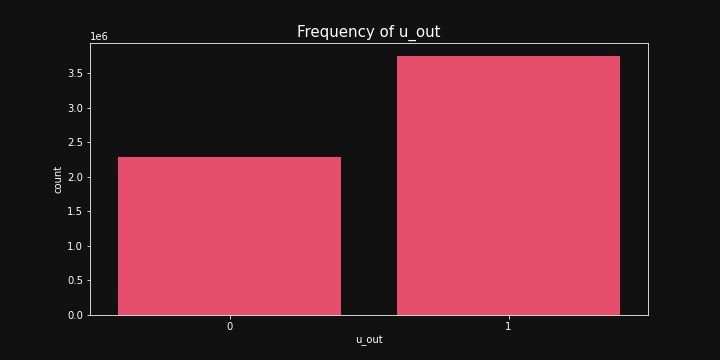
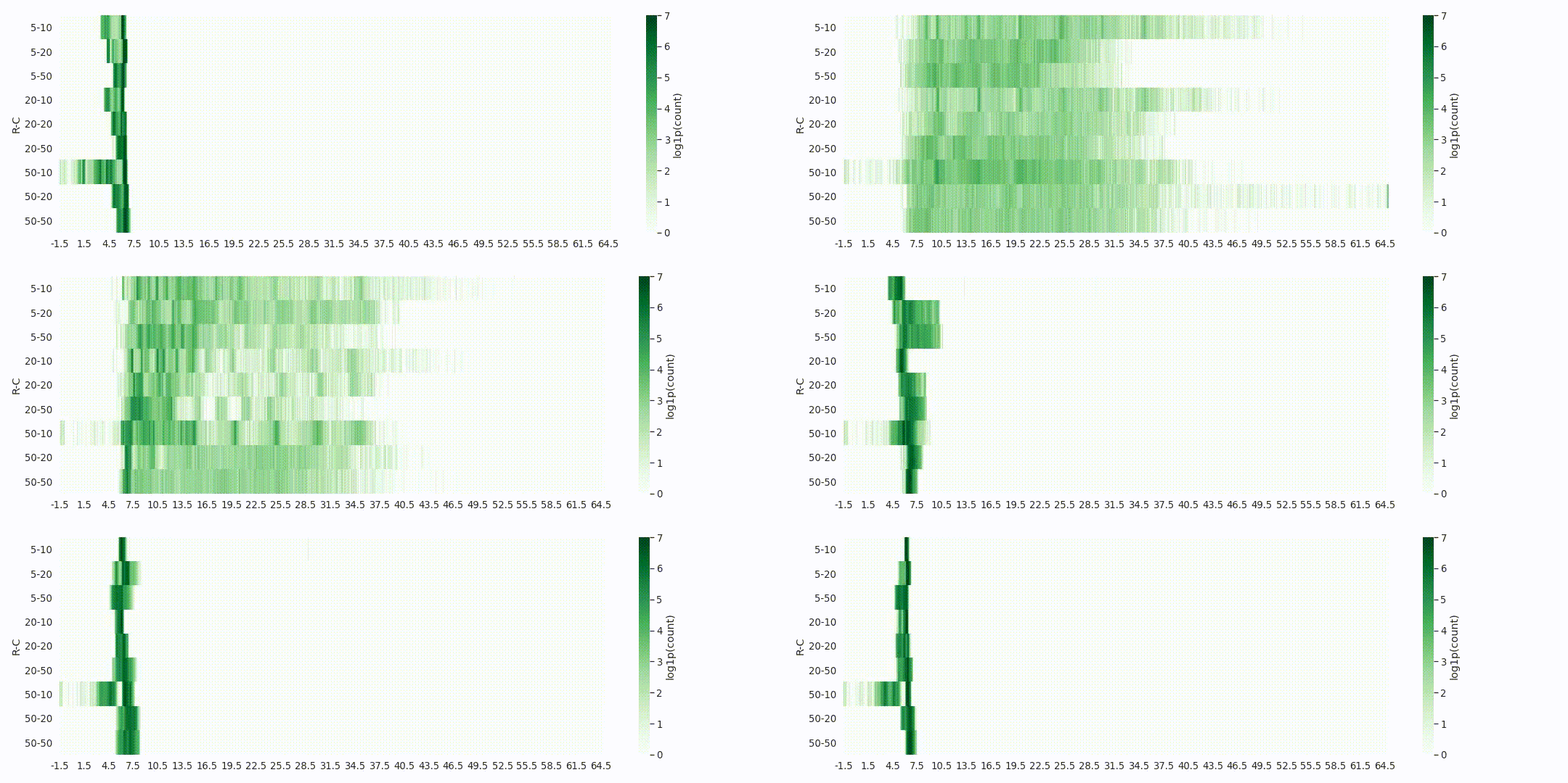
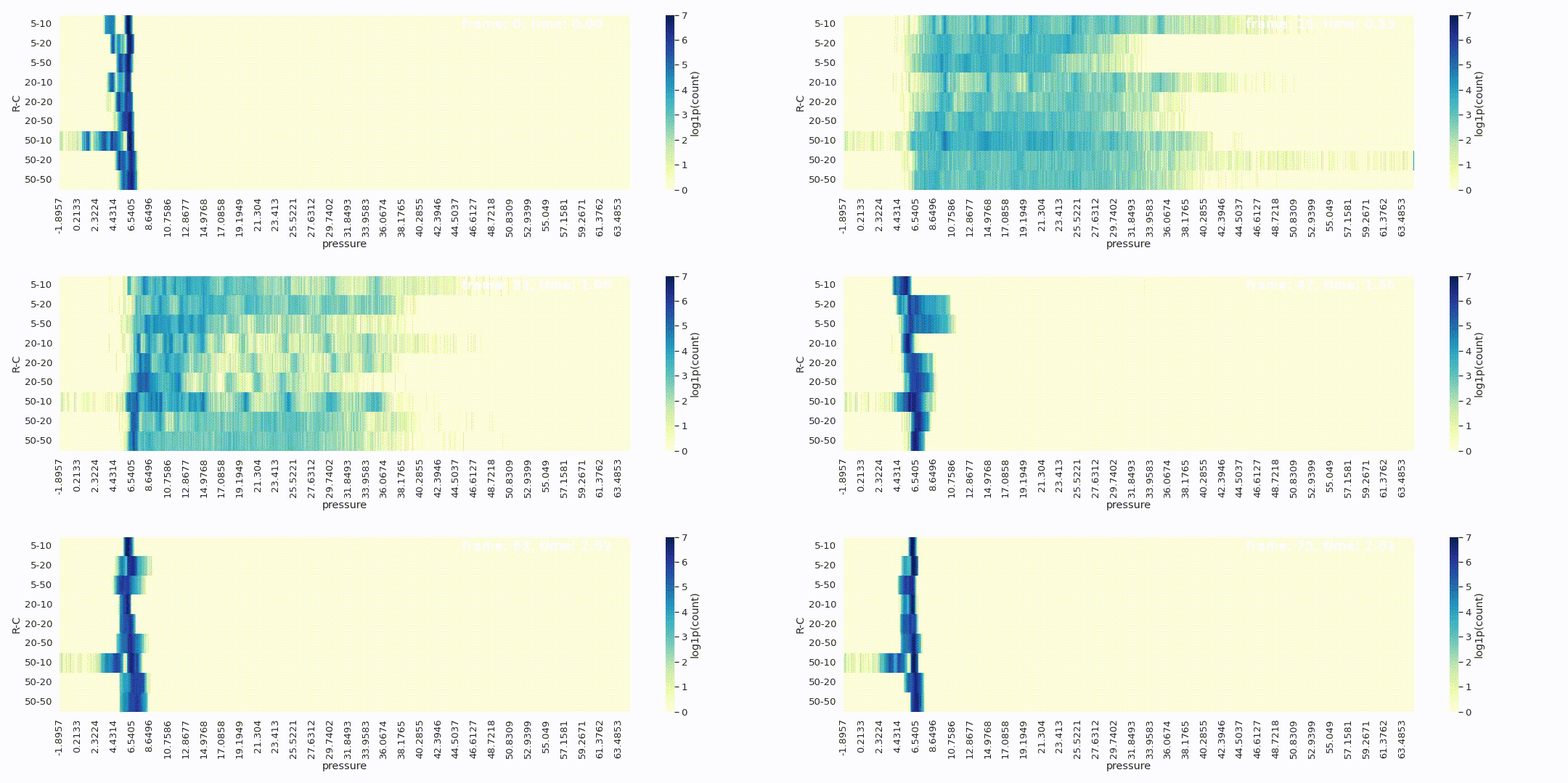
Pressure over time
Inference
Inference
Since the given data is time series data, we prefer using a recurrent neural network for the purpose,
LSTM network to be more specific
Inference
Reason being, RNNs have a ability to remmeber data rather than to train and predict upon data once and for all
Classic feed forward network
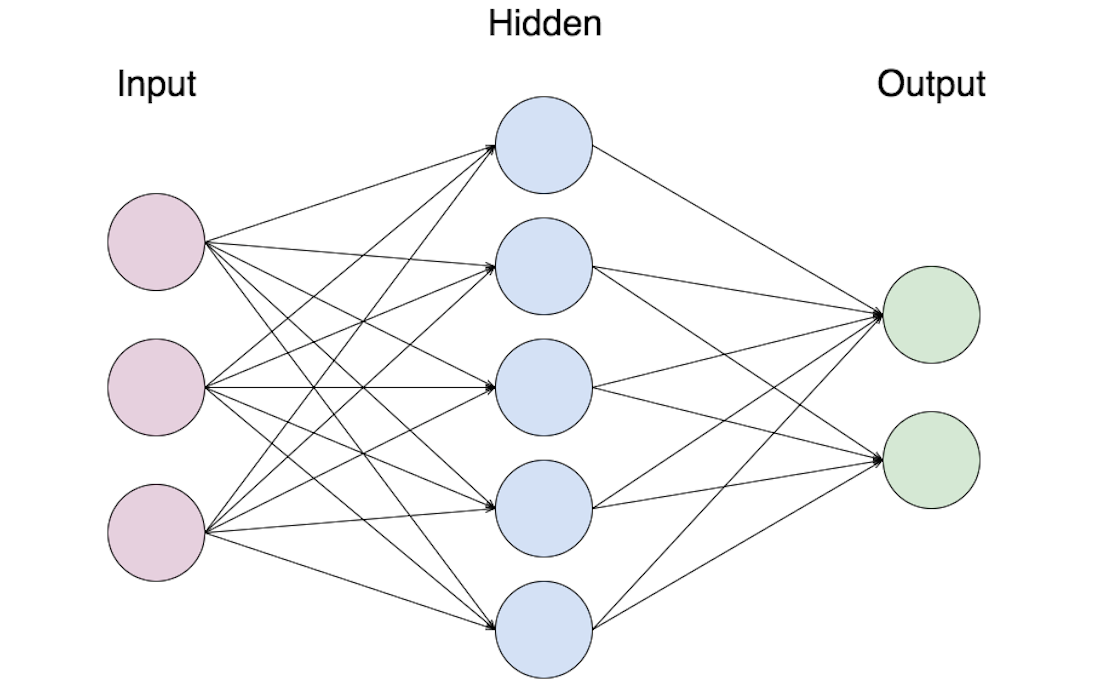
Classic feed forward network
as opposed to RNN
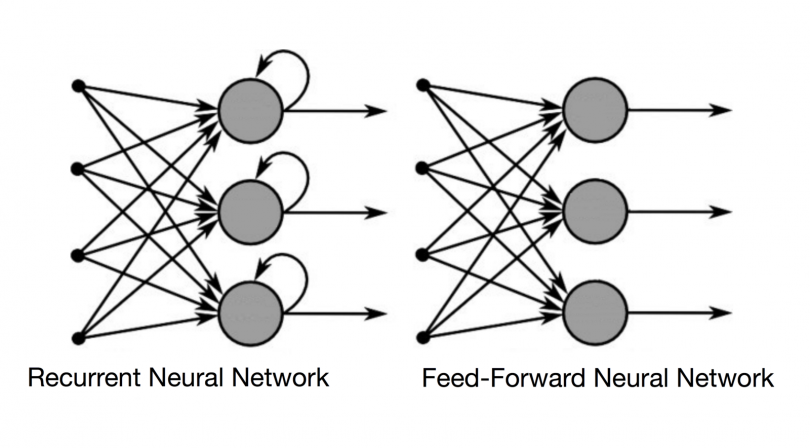
Network choice
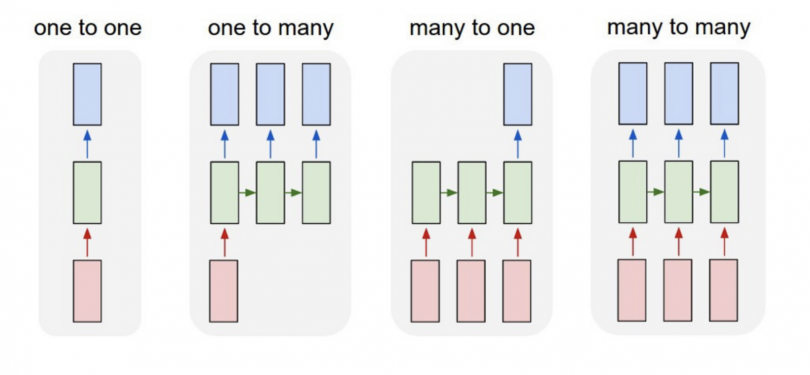
Many to one
Feature engineering
Data scaling
                        RS = RobustScaler()
                        train = RS.fit_transform(train)
                        test = RS.transform(test)
Modelling
Bidirectional ( LSTM ( 450 units) )

Bidirectional ( LSTM ( 350 units) )
Bidirectional ( LSTM ( 250 units) )
Bidirectional ( LSTM ( 150 units) )
Bidirectional ( LSTM ( 100 units) )
Input layer
Bidirectional ( LSTM ( 450 units) )
Bidirectional ( LSTM ( 350 units) )
Bidirectional ( LSTM ( 250 units) )
Bidirectional ( LSTM ( 150 units) )
Bidirectional ( LSTM ( 100 units) )
Input layer
Bidirectional ( LSTM ( 450 units) )
Bidirectional ( LSTM ( 350 units) )
Bidirectional ( LSTM ( 250 units) )
Bidirectional ( LSTM ( 150 units) )
Bidirectional ( LSTM ( 100 units) )
Dense( 50 )
Dense( 1 )
Result
Mean Absolute Error = 0.158
Runtime = 31315.8 seconds (8.7 hours)
Accelerator = TPU v3.8
Comparing manual pressure to pressure generated by model